Morse Code Guides
Practical, source-aware guides that help you use and understand International Morse code.
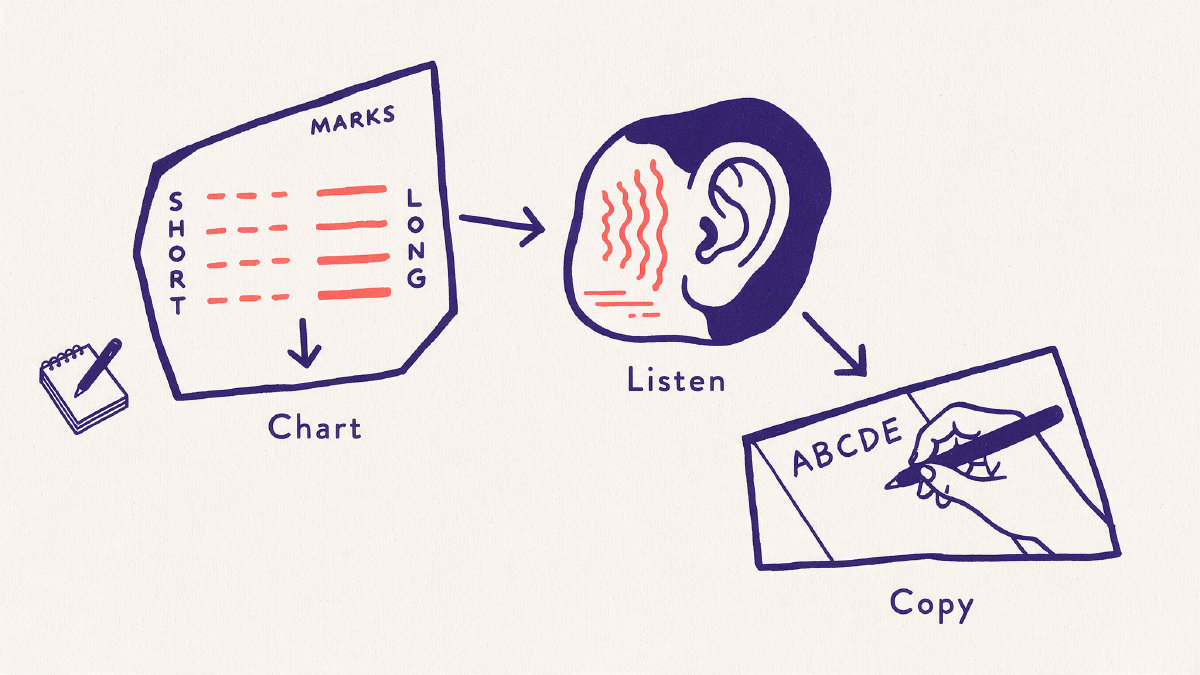
Is Morse Code Easy to Learn? A Beginner Reality Check
Is Morse code easy to learn? Discover what beginners pick up quickly, why copying by ear at speed is harder, and how to practice International Morse.
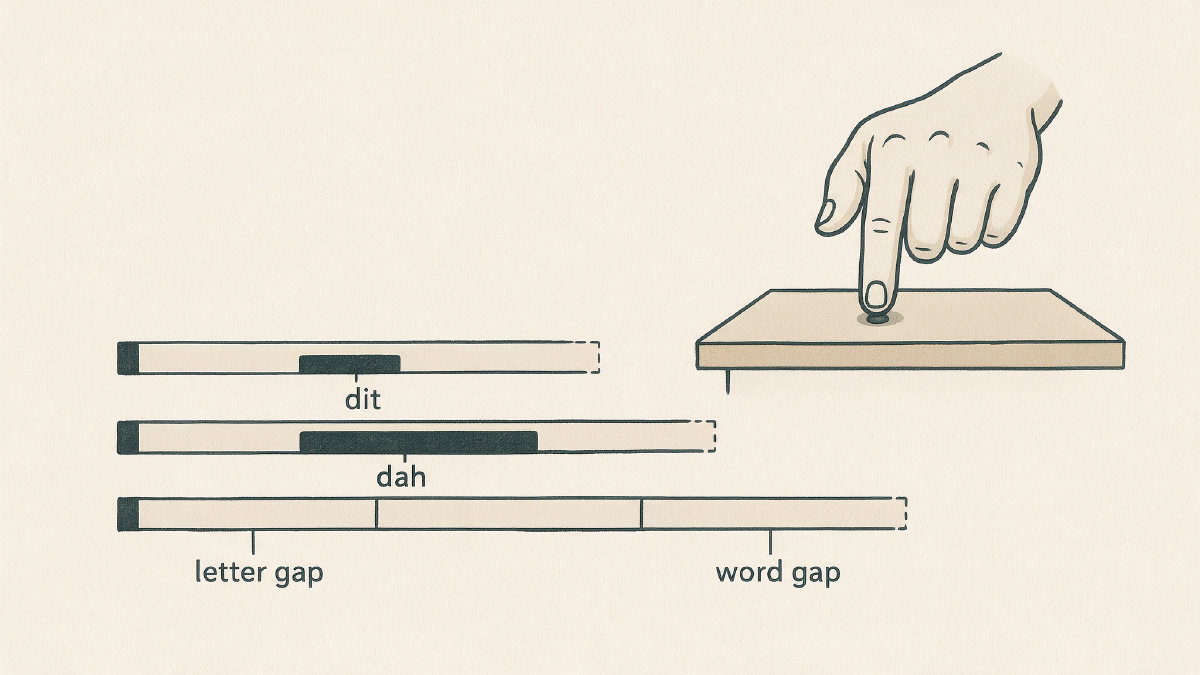
How to Learn Morse Code by Tapping: Rhythm and Gaps
Learn how to learn Morse code by tapping dits and dahs with clear 1–3–7 gaps, starter letters, short words, and partner drills.
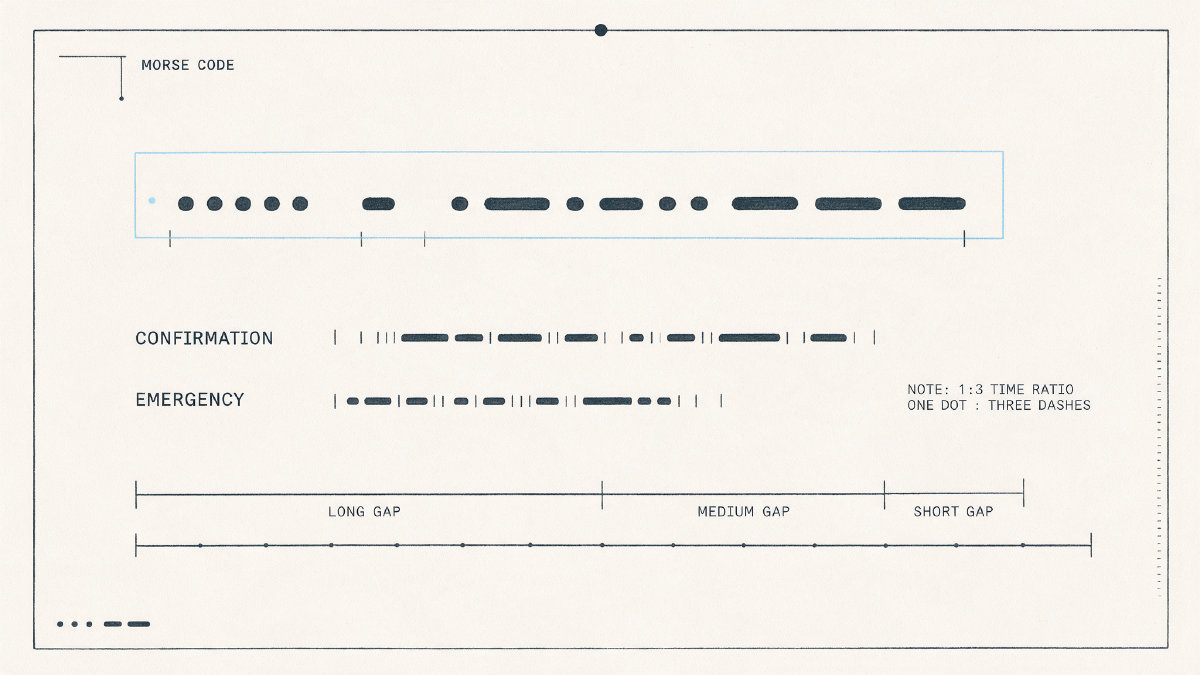
Morse Code Messages: Practical Phrases and Signals
Use ready-to-send Morse code messages for practice, emergencies, greetings, and notes, with correct spacing and signal distinctions.
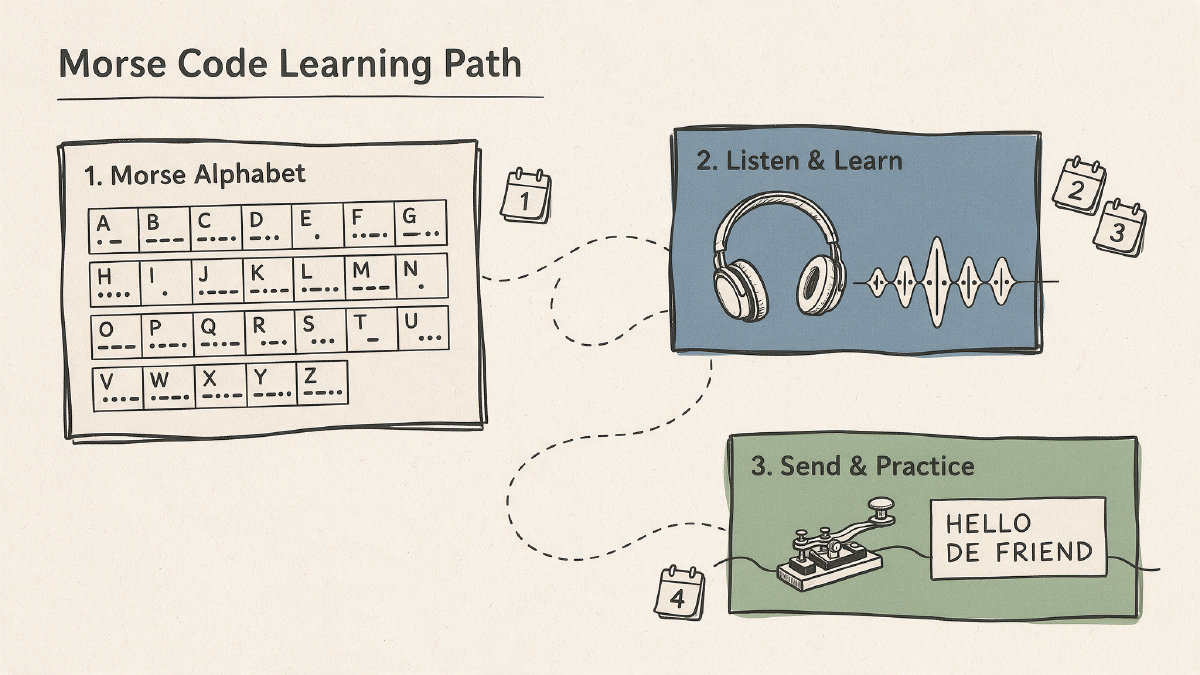
How Long Does It Take to Learn Morse Code?
How long does it take to learn Morse code? Use realistic timelines for the alphabet, audio copying, sending, and practical CW practice.
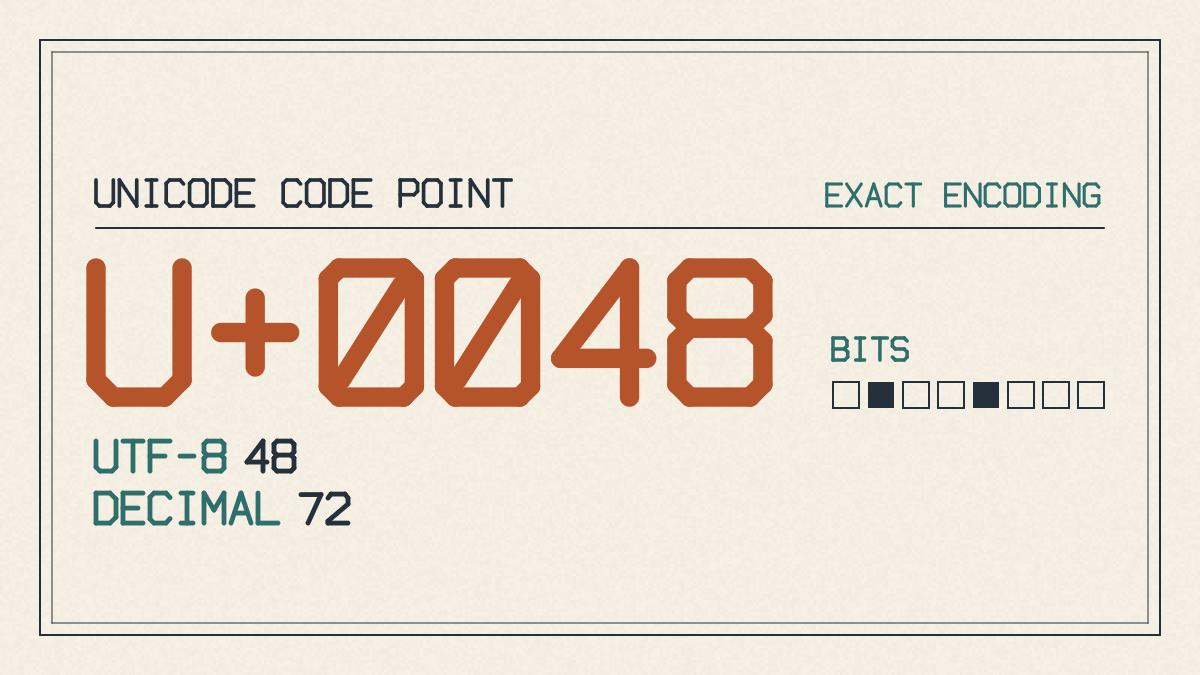
Help in Morse Code: Exact Pattern and Rhythm
HELP in International Morse code is ···· · ·-·· ·--·. Learn the letter-by-letter pattern, timing, tapping rhythm, and how it differs from SOS.
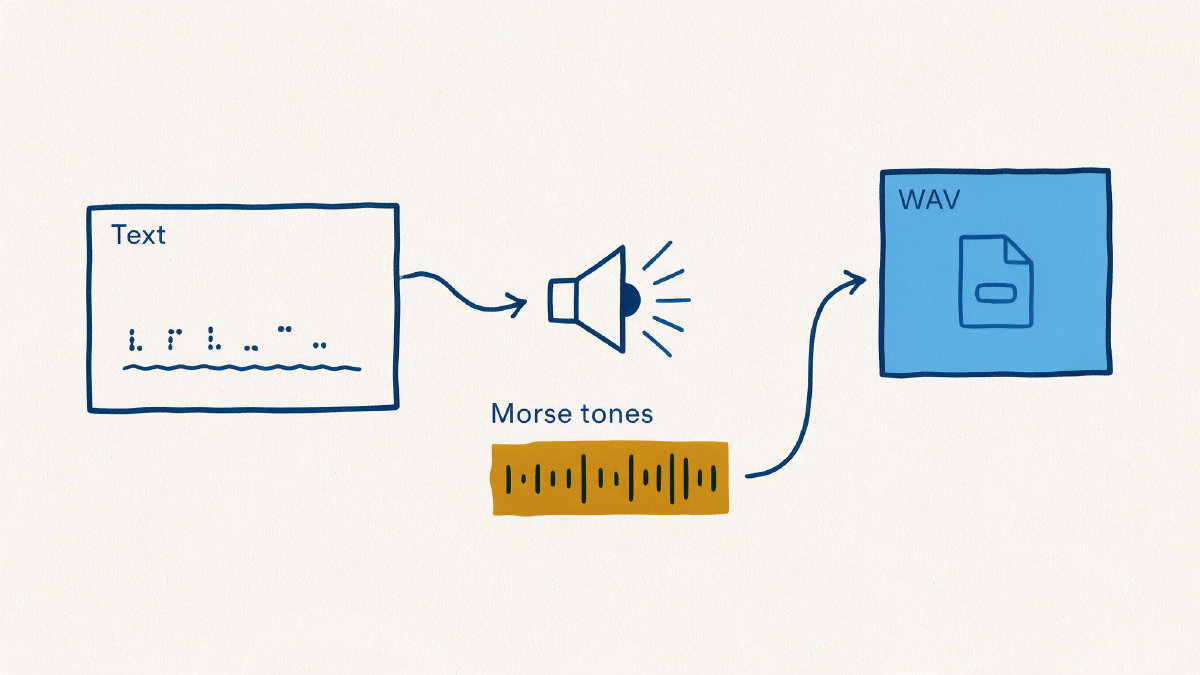
Morse Code Sound Translator: Hear Text as Morse Tones
Use this Morse code sound translator to turn English text into International Morse tones, verify dots and dashes, and copy or download WAV audio.

Phonetic Alphabet with Morse Code Chart: A–Z Words & Signals
Use this phonetic alphabet with Morse code chart to pair A–Z NATO words with International Morse dot-dash patterns and verify each signal.
No in Morse Code: Signals, Rhythm, and How to Send It
Discover what no in morse code looks and sounds like, how its dash-heavy pattern works, and why silence and spacing are essential to sending it correctly.
Morse Code with Numbers: Complete 0–9 Patterns, Rules, and Practice Guide
Learn how morse code with numbers works, what each digit from 0 to 9 looks like, the ITU-R spacing rules, and practical tips for building real fluency.
What Was the Morse Code: How It Worked, Who Made It, and Why It Mattered
Explore what was the Morse code, how Samuel Morse and Alfred Vail built it, and why its dot-and-dash system shaped modern global telecommunications.
What Is in Morse Code: Dots, Dashes, and Everything the System Encodes
Explore what is in Morse code, from dots, dashes, and spaces to letters, digits, punctuation, prosigns, and the timing rules that hold the entire system together.
What Is I in Morse Code: Symbol, Sound, and How to Use It
Learn what is I in Morse code, how its simple two-dot pattern sounds and looks, and how online translators can help you send and decode it instantly.
Morse Code Letters: What Each One Looks Like and How the System Works
Explore how morse code letters are structured from dots, dashes, and silence, why common letters get shorter sequences, and how to start memorizing the full A–Z system.
The Letter S in Morse Code: Symbol, Sound, and Why It Matters
Explore how the letter s in morse code works as three dots, why silence matters as a structural element, and how SOS became the world's most recognized distress signal.
Morse Code Necklaces: How to Choose, Personalize, and Decode Them
Explore how morse code necklaces work, what they cost, how to choose a meaningful message, and what to check before buying to ensure the encoding is accurate.
Morse Code for I Love You: Exact Pattern, How to Tap It, and Ways to Use It
Explore the exact Morse code for I love you, how to tap or blink each dot and dash correctly, and creative ways to use the pattern in jewelry, tattoos, and daily gestures.
Letter A in Morse Code: Symbol, Sound, Timing, and How It Works
Learn what the letter a morse code symbol looks and sounds like, how its dot-dash timing works, and where the pattern appears in radio prosigns and transmissions.
How Morse Code Spacing Works: The 1–3–7 Rule
Learn the standard timing for dots, dashes, letters and words, plus the display spacing used by the translator.
USE THE GUIDES
Learn one Morse code problem at a time
Each guide answers a specific question about International Morse code, then connects the explanation to a result you can check. Start with timing and spacing when dots, dashes and gaps feel ambiguous. Use the alphabet reference when you need an exact letter, number, punctuation mark or prosign.
Examples use the same conventions as the live translator. Open a linked example, listen at a comfortable speed and compare the written separators with the sound. This keeps the article useful as a reference while the tool remains the place to test your own message.